


The Working Principle Of The Electric Foot Callus Polisher And The Essential Difference From The Traditional Manual Pumice Stone
In the realm of foot care, electric foot callus polishers and traditional manual pumice stones are both popular tools for removing calluses and exfoliating dead skin. However, they exhibit significant disparities in operational mechanisms and user experiences. To gain a comprehensive understanding, let's first explore the working principle of electric foot callus polishers and then draw a comparison with traditional pumice stones.
1. Working principle of the electric foot callus polisher
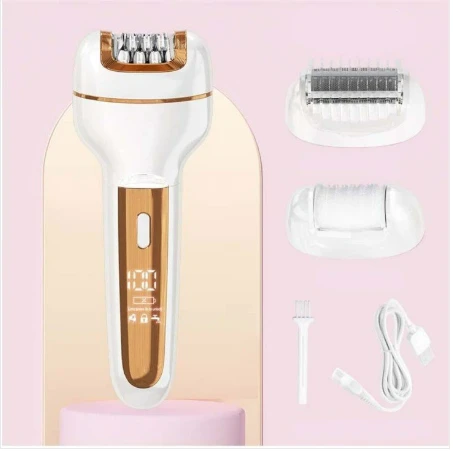
The efficient operation of an electric foot callus polisher hinges on a sophisticated "power-transmission-grinding" system. Functioning like a diligent "foot care assistant," it comprises several key components that work in harmony:
(I) Power system: The core energy source
Most electric foot callus polishers utilize electric motors as their power source, with two primary power supply modes: rechargeable and battery-operated. Rechargeable models are equipped with built-in lithium batteries, offering multiple uses after a full charge. Their battery life typically ranges from 30 minutes to an hour, making them ideal for daily home care. Battery-operated versions, on the other hand, are highly portable and can be activated by inserting regular dry batteries, making them suitable for travel. Once the switch is turned on, the motor converts electrical energy into mechanical energy, supplying consistent and stable power to the entire device.
(II) Transmission and grinding system: Precise exfoliation
The power generated by the motor is transferred to the grinding head via a transmission mechanism. The grinding head, the key component that directly contacts the skin for exfoliation, is commonly made from materials such as sandpaper, ceramic, or diamond. Sandpaper grinding heads feature multiple layers of fine abrasive material, making them suitable for daily light exfoliation. Ceramic grinding heads, known for their high hardness and excellent wear resistance, are effective in tackling stubborn thick calluses. Diamond grinding heads, the most robust option, are designed for areas with extremely thick keratin, like the heels. Driven by the power source, the grinding head rotates at high speeds (1000 - 3000 revolutions per minute) or produces high-frequency vibrations, leveraging strong frictional force to rapidly remove calluses and excess dead skin from the foot surface.
(III) Control and safety system: Reliable safeguards for use
To ensure safe and comfortable operation, electric foot callus polishers are equipped with various control and safety features. Many models offer adjustable speed settings, allowing users to customize the operation according to their needs and skin sensitivity. Lower speeds are recommended for first-time users or those with sensitive skin, while higher speeds are more suitable for dealing with thicker calluses. Additionally, some high-end products incorporate a pressure-sensing function. When excessive pressure is applied by the grinding head on the skin, the device automatically reduces the rotation speed or halts operation, preventing potential skin damage caused by overexertion.
2. The essential differences between electric foot polishers and traditional manual pumice stones
(I) Efficiency: Swift care vs. time-consuming labor
Electric foot callus polishers, with their high-speed rotating grinding heads, can exfoliate large areas of the foot in a short time. A single treatment usually yields noticeable results within 3 - 5 minutes. In contrast, traditional manual pumice stones rely entirely on manual friction. This not only makes the process time-consuming-taking 10 - 15 minutes or more to treat the same area of calluses-but also fatigues the hands easily. Moreover, their effectiveness in handling extensive, thick calluses is often subpar.
(II) Ease of operation: User-friendly vs. skill-intensive
Operating an electric foot polisher is straightforward. Users simply turn on the device, gently press the grinding head against the skin, and move it slowly in one direction. Even beginners can quickly master its use. Conversely, using a manual pumice stone requires users to master the right amount of pressure and angle. Insufficient pressure may fail to remove dead skin effectively, while excessive pressure can easily scratch the skin, demanding a certain level of skill. This can pose challenges, especially for the elderly with limited joint flexibility or individuals with weak hand strength.
(III) Safety: Intelligent protection vs. higher risk
Electric foot polishers' safety features, such as pressure sensing and speed adjustment, significantly reduce the risk of skin damage. The device can automatically intervene if excessive force is applied. Manual pumice stones, however, lack such protective mechanisms. Uneven pressure or improper angles can easily lead to skin abrasions, potentially causing infections. Additionally, the risk of slipping during use further increases the likelihood of injury.
(IV) Care results: Consistent smoothness vs. uneven finish
Thanks to the stable operation of the grinding head, electric foot polishers ensure uniform grinding pressure, leaving the skin smooth and even after treatment. Manual pumice stones, in contrast, often result in inconsistent exfoliation, with some areas over-grinded and others under-treated. This unevenness not only affects the aesthetic appearance but also the overall comfort of the skin.
From the working principle to the user experience, electric foot callus polishers and traditional manual pumice stones each have their own merits and drawbacks. Electric polishers have emerged as a preferred choice for foot care in modern, fast-paced lifestyles due to their efficiency, convenience, and safety. Meanwhile, traditional pumice stones still hold value in certain scenarios, particularly for their affordability and lack of dependence on electricity. Understanding these essential differences empowers consumers to select the most suitable foot care tool based on their individual needs.
If you have any enquiry about quotation or cooperation, please feel free to email us at info@candovip.com


